

Self-Assessment Tools
Practical guidance to help you understand mould and asbestos risk — and know when professional help is needed
1. Mould & Moisture Self-Assessment
Understand how humidity drives mould growth
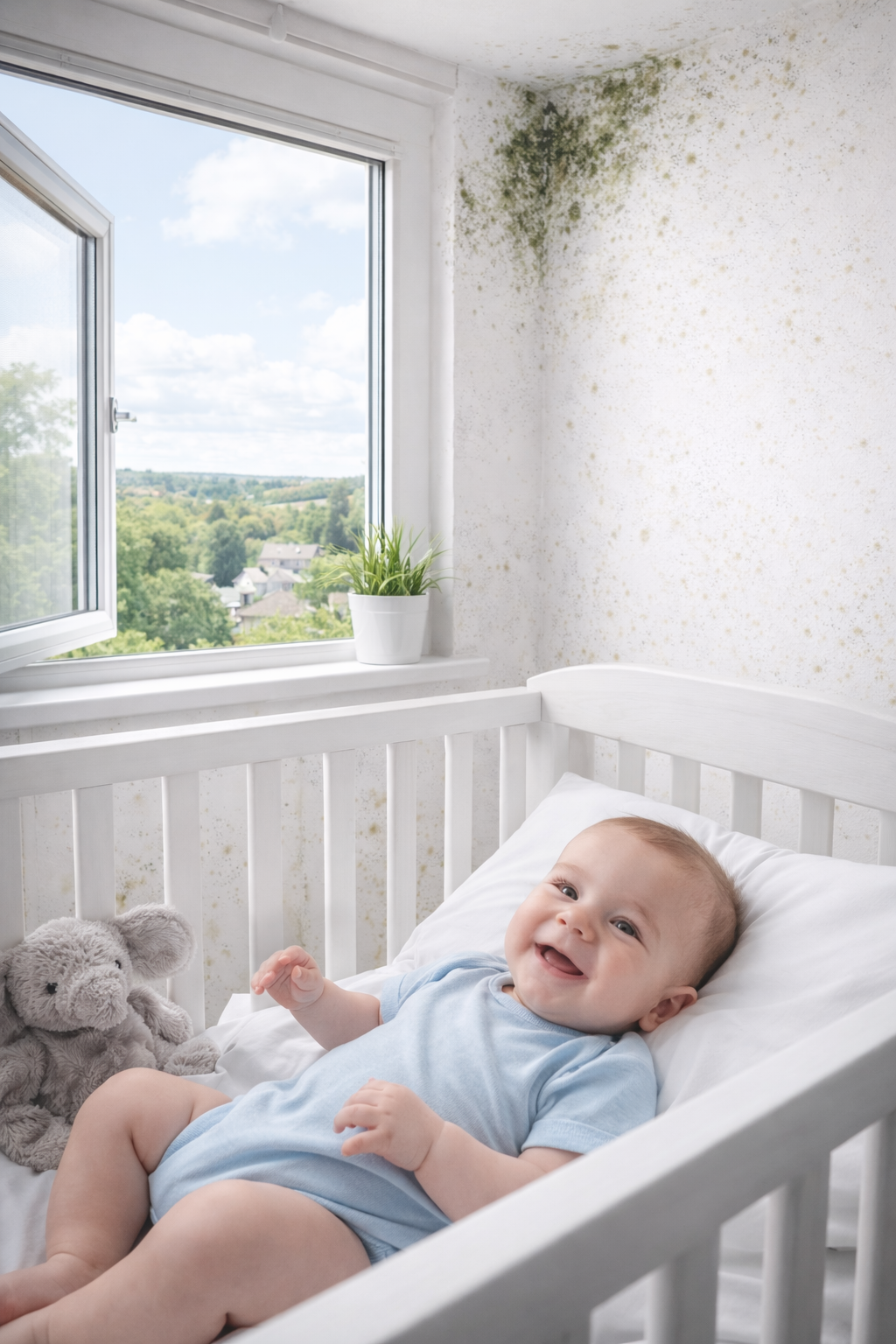
Mould is not just a cleanliness issue — it is a moisture and building performance issue. Relative humidity (RH), ventilation, surface temperature, and material type all influence whether mould can establish and persist.
This self-assessment tool helps you:
Understand mould-favourable conditions
Identify early warning signs
Take low-risk, preventative steps
Recognise when professional assessment is recommended
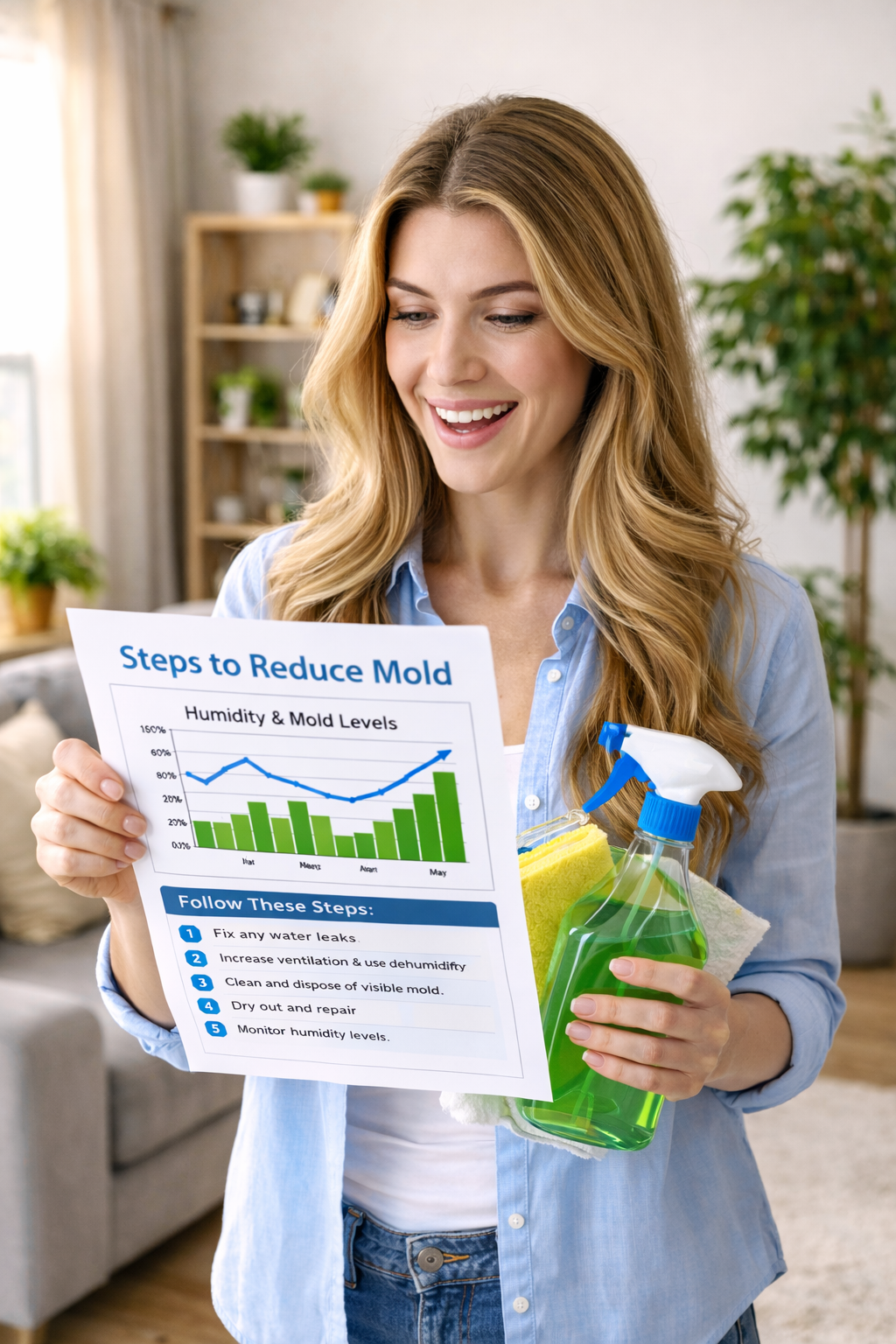
2. Relative Humidity & Mould Risk Chart
(See Online Store)
Indoor Relative Humidity Risk Bands
Relative Humidity (RH)Risk Level Interpretation Below 50%✅ Low Risk Unfavourable for mould growth 50–60%⚠️ Mode rate Early mould risk on cool surfaces 60–70%❗ Elevated Mould likely on porous materials Above 70%🚨 High Risk Active mould growth likely
Key notes :
Sustained humidity is more important than short spikes
Cold surfaces (corners, windows, wardrobes) are higher risk
Bathrooms, bedrooms, laundries, and south-facing rooms are common problem areas
3. Visual Mould Risk Assessment Matrix
(See Online Store)
Mould Likelihood Matrix
Moisture Level × Surface Type
Surface Type Low Moisture Moderate Moisture High Moisture Non-porous (tiles, glass)Low Moderate Moderate Semi-porous (painted plaster)Low Elevated High Porous (timber, carpet, plasterboard) Moderate High Very High
Supporting Information:
Mould prefers porous materials and poorly ventilated spaces. Visible mould often represents a broader moisture issue.
4. Simple Mould Self-Check (Checklist)
You may be at increased mould risk if you answer “yes” to two or more:
Condensation forms regularly on windows or walls
Musty or earthy odours are present
Rooms feel damp or stale
RH consistently above 60%
Discolouration appears in corners, ceilings, or wardrobes
If unsure, professional assessment can confirm whether mould is present and whether remediation is required.
5. Asbestos Awareness & Sampling Pathway
Know the risk — choose the safe next step
Many building materials installed prior to 1990 may contain asbestos. Disturbing these materials without proper controls can present a health risk.
This section is designed to:
Help users recognise suspect asbestos-containing materials (ACMs)
Understand when sampling may be required
Choose safe, compliant pathways for testing
Typical Materials of Concern
Cement sheeting (walls, eaves, fences)
Vinyl floor tiles and adhesives
Textured coatings
Roofing and backing boards
Important principle:
If a material is in good condition and undisturbed, it may not pose an immediate risk.
6. Safe Decision Pathways
If You Suspect Asbestos:
Do not disturb the material
Seek professional advice
Arrange testing via:
Independent occupational hygienist
NATA-accredited laboratory
Results help determine:
Whether asbestos is present
Risk level
Management or removal requirements
7. Disclaimer
These tools are educational only.
They are designed to support awareness and early decision-making. Where health risks or regulatory obligations may apply, professional assessment is recommended.